GxP Training Management Guide for Med Tech Companies

Why training matters in med tech

Regulatory pressure is rising. ISO 13485, FDA QMSR, EU MDR and ICH 6 all demand proof that teams are trained, competent, and up to date with certifications. But disconnected systems, manual tracking, and generic LMS tools can’t deliver that assurance - and often create more risk than control.

So, where are the cracks showing?

Want to read the full version and share it with your colleagues? Get the free  guide here

Is training management your secret weakness?

According to the FDA, inadequate training in the life-science sector has been one of the top 10 reasons for 483 observations in the last five years. In biomedical research (including clinical trial management), it’s been among the top six.

In 2024, analysis showed 15% of Form 483 observations for medical device developers were linked to training programmes. 

The majority of these observations arose, not from inaccurate materials or course content but from inadequate training procedures and documentation.

Training-Related-FDA-483-Citations-(Devices Sector)


GxP training requirements have evolved.

As devices have become more technically complex and safety-critical, the need for workers to be properly qualified and aware of changing best practices (GxP) has increased. 

In response to this rising complexity, training requirements have tightened.

Regulators have seen the need for training that moves beyond self-attestation to comprehensive testing and third-party assessment.

Clause 6.2 in ISO 13485:2016 now demands not only role-based training but also proof that training materials have been consumed and understood.

This was a deliberate shift from the 2013 iteration of the standard.

With the FDA’s new QMSR aligning to this standard, expect even more scrutiny of how you train staff and maintain records.

Today, compliance means competence - and competence means evidence.

Read our post: More than quizzes: what you need from a med tech Learning Management System


What the regulations say

Across the board, in medical device and life-science regulation, we’ve seen a shift to risk-based thinking, ongoing role-based training and documented testing.

Whether your workers need to be competent in cGMP, GCP or GDP,  it’s vital you can demonstrate to regulators that team members have been trained and tested in the core skills they need to do their jobs.

Regulatory Framework Training Requirements Summary Key Clauses / Sections Additional Notes
FDA QMSR (21 CFR Part 820 aligning with ISO 13485) Personnel must have education, background, training, and experience to perform their jobs. Training must be documented. §820.25 (legacy) / Aligning with ISO 13485 Clause 6.2 Training must include awareness of the product impact on patient safety and quality. FDA’s Quality Management System Regulation (QMSR) harmonises this with ISO 13485.
ISO 13485:2016 Personnel must be competent based on education, training, skills, and experience. Training must be documented and effectiveness evaluated. Clause 6.2 – Human resources Must maintain records of training, competence, and job roles. Requires ongoing evaluation of training effectiveness.
ICH E6(R2) (Good Clinical Practice) All individuals involved in clinical trials must be qualified through education, training, and experience. Training in GCP and trial-specific duties is required. Section 2.8, 2.10, 4.1.1, 5.6.1 Sponsors must ensure ongoing GCP training; Investigators and monitors must be trained and qualified.
EU MDR
(Reg. 2017/745)
Personnel must be trained and qualified to ensure compliance. Documented evidence of competence is required for QMS, manufacturing, and clinical functions. Annex IX, Annex XI, Article 10(9) Applies to both internal and subcontracted personnel. Must include device-specific and regulatory training.
EU IVDR (Reg. 2017/746) Similar to MDR: requires demonstration of appropriate training and competence, especially in relation to performance evaluation and quality assurance. Article 10(9), Annex IX Training critical for clinical and performance evaluation roles and post-market surveillance.
ICH Q10 (Pharmaceutical Quality System) All personnel involved in the quality system must undergo systematic training. Competence should be assured and maintained over time. Section 2.2.4, Section 3.2.3, Section 3.2.4 Emphasises lifecycle approach to quality. Requires training programs tailored to roles and continual assessment of effectiveness.
EMA Guidelines (e.g., GVP, GMP, GDP) Personnel must be trained for their responsibilities. Ongoing training in relevant GxP principles (e.g., pharmacovigilance, GMP) is mandatory. GVP Module I, GMP Chapter 2, GDP Chapter 2 Requires documentation of training and periodic refresher programs. EMA stresses that training is part of continuous improvement and quality culture.
 

Blog: Training management in your medical device QMS: what’s required?


A note on training software validation

Regulatory bodies like the FDA and ISO require validation of any software used in compliance-critical processes. For LMS tools, this means documenting and testing that the system always performs as intended - through IQ, OQ, and PQ. Without this validation, training records may not be accepted during audits. 

Ensure your LMS provider can support your approach to validation—whether vendor-led, customer-led, or a hybrid approach. They should offer the right level of documentation, test evidence, and flexibility to match your internal validation strategy and risk profile.

Get this content as an eBook

GxP Training Management Guide for Med Tech Companies

How to build a training management system that scales with your needs

DOWNLOAD NOW
GxP training management guide for med tech companies

The real cost of GxP training

Training management is a big drag on time and resources in the med tech world. The training burden is typically more extreme for start-ups and scale-ups since fewer people in the organisation cover more roles.  

Scaling companies often have to invest in expensive third-party software to manage specific certifications - or patch together their own training process using shared drives and spreadsheets. With fragmented systems like these, it’s hard to track progress and gather evidence of training for compliance.

In contrast, mature companies benefit from well-defined roles and repeatable processes. This consistency makes it easier to implement comprehensive training systems that scale efficiently. With less variability and more structure, they can standardise content, automate tracking, and reduce the overall cost and complexity of training.

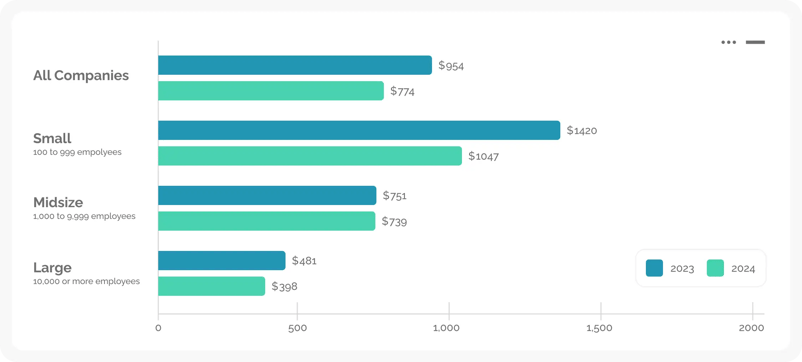
Ironically, the cost of administering training per head can be highest at the start of med-tech journeys when companies can least afford it.

Training expenditures per learner 2023-2024

Training-Expenditure-per-Learner-2023-2024

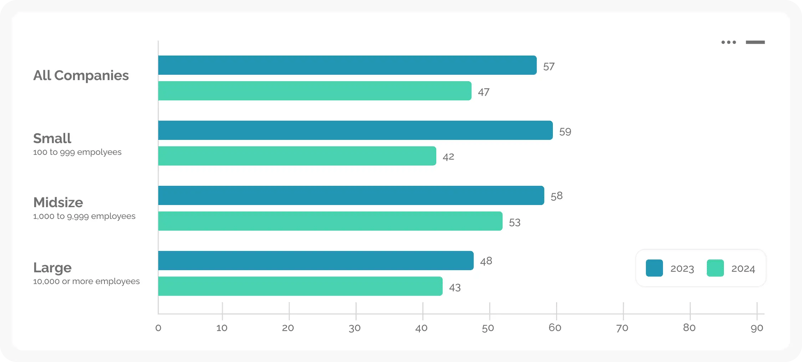
Hours of training per employee 2023-2024

Hours-of-Training-per-Learner-2023-2024

Stats from: https://trainingmag.com/2024-training-industry-report/

The sooner companies can implement a digital training solution, the sooner they can define requirements, automate training assignments, and consolidate records.

With your training process digitised and automated, you will be able to:

  • Reduce your admin overheads
  • Onboard new team members
  • Drive consistency in your quality approach
  • Close training compliance gaps
  • Scale teams with confidence

But stand-alone training solutions are expensive.  For medical device developers, if they’re not integrated with your Quality Management System, you’ll face a whole new set of cost and efficiency challenges.

"If your training system sits outside your QMS, you may struggle proving to regulators who was trained on what, when, and why. Integrating training management within your eQMS gives you traceability by design. It eliminates duplication, automates evidence collection, and ensures you’re always audit-ready - without the cost or overhead of a standalone LMS”

Joe Byrne, CEO, Cognidox

Why training can fail as start-ups scale

As regulated companies grow - it’s hard to scale training requirements and remain compliant:

  • Scattered records: Relying on paper or DIY digital solutions? Training records stored in different places can be hard to audit 
  • Lack of bespoke training: With limited time and technology, creating custom training for each role is not feasible.
  • Multiple learning systems create confusion: Teams may use different learning management systems (LMSs) making it hard to track completion status
  • Lack of automation leads to compliance gaps: When processes aren't defined or automated, maintaining oversight is hard
  • Missed approvals & sign-offs: Without automated workflows, required sign-offs and approvals for training records can be missed
  • Training becomes less targeted and effective: training becomes ‘one-size fits all’ or not thorough enough

The result? Rising risk & inefficiency

  • Time & effort wasted: Without dedicated software, the time and effort required to manage training increases exponentially.
  • Non-compliance risks escalate: As the manual admin burden increases, so the risk of compliance gaps emerging
 

Defining Good Training Practice (GtrP) 

Training should be at the heart of every life science business.

Whether you're designing medical devices, managing clinical trials, or manufacturing pharmaceuticals, your team’s competence underpins your ability to meet global regulatory demands. 

But while the requirements for Good Manufacturing Practice and Good Clinical Practice are well-defined, there is no similar codification of Good Training Practice (GTrP) in the regulation.

That doesn’t mean you don’t need GtrP.

Without a clear framework for training, your business is at risk from:

  • Inconsistent employee onboarding
  • Missed retraining obligations after SOP updates
  • Poor evidence during audits
  • Regulatory non-compliance

If your training isn’t traceable, repeatable, and provably effective?

It didn’t happen.

That's why at Cognidox, we've built a scalable model of Good Training Practice, grounded in regulatory expectations, risk-based thinking, and LEAN compliance.


The 6 Pillars of Good Training Practice (GTrP)


1. Define training for each role:

Define exactly what training each job needs. This ensures your team learns the right things for their specific tasks within your quality system.

2. Keep it up-to-date:

Training should always be linked to the latest versions of your procedures, policies, or work instructions. And here's the crucial part: it needs to be completed before someone does the actual work.

3. Track everything:

You must keep detailed records of who was trained, on what, by whom, and when. These records need to be easy to find and check.

4. Train when things change:

If you change any regulated process, document, or control, that should automatically trigger new training. This connection between changes and training is vital for staying compliant.

5. Check if it works:

Training shouldn't just be about checking a box. You need to see proof that it’s actually been retained, whether through a third-party assessment or a digital test.

6. Make it part of your quality system:

Training isn't a standalone thing. It should be fully integrated into your company's quality system and get the same regular reviews and improvements as everything else.

Good training practice ensures comprehension, continuous improvement, and accurate record keeping. It also ensures that everyone on your team is competent to do their jobs and that you can prove this to regulators.

Is your training process LEAN enough?

But training also requires a LEAN approach - you don’t want to overburden team members with unnecessary training. You need to maximise effectiveness of the training programmes you run.

This principle of LEAN, risk-based thinking is enshrined in the ISO 13485 regulation, and it needs to be an integral part of your approach to training, too.

"The methodology used to check effectiveness is proportionate to the risk associated with the work for which the training or other action is being provided.”

Source: ISO 13485:2016

Blog: What are the pillars of Good Training Practice?


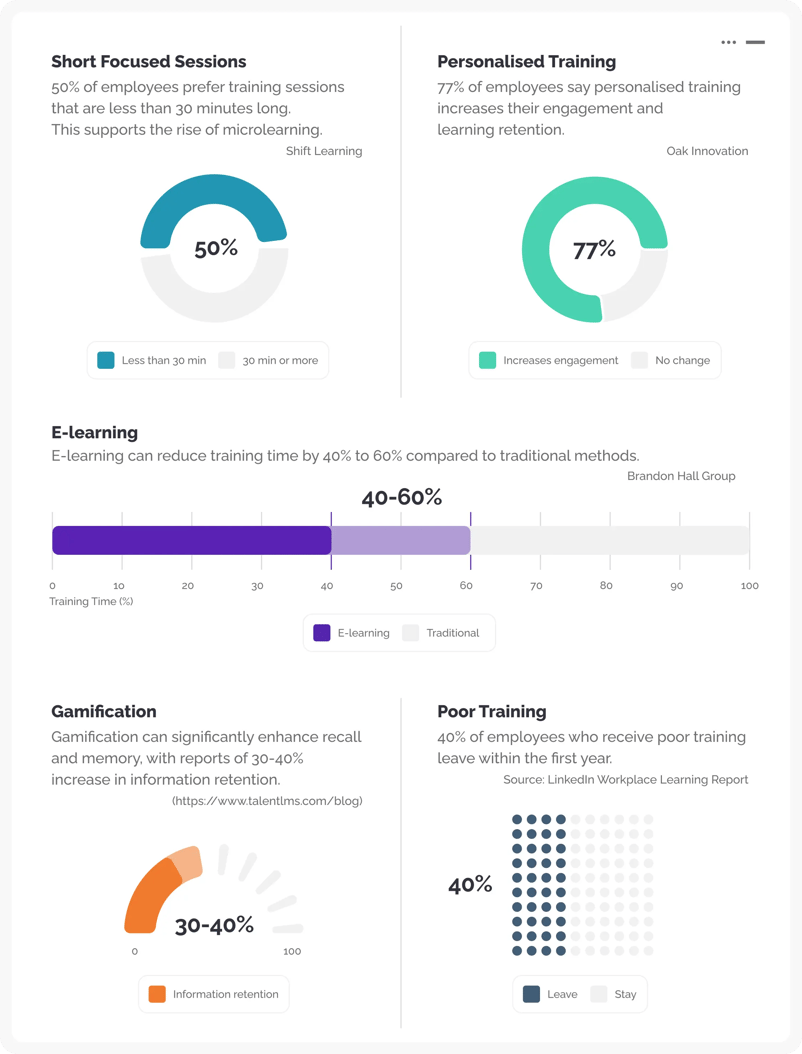
Engaging learning: how digital training makes the difference

how digital training makes a difference


Making training management part of your eQMS

There’s great training software out there offering certifications in different GxP disciplines, but med tech companies don’t just need workers to complete courses and pass tests.

They need training results and qualifications recorded and stored centrally within their own quality management systems.

They need the flexibility to create and manage role-specific training that is tied to their actual processes and documentation, not just generic standards.

And they need full oversight of training needs, completion status, and compliance gaps across the business.

That’s where a LEAN approach to digital learning management can make the difference.

By embedding process directly into your eQMS, you reduce duplication, automate retraining, and focus on relevant, timely learning that supports audit readiness and business growth.

It’s not about adding more tools—it’s about making training an efficient, integrated part of your compliance ecosystem.

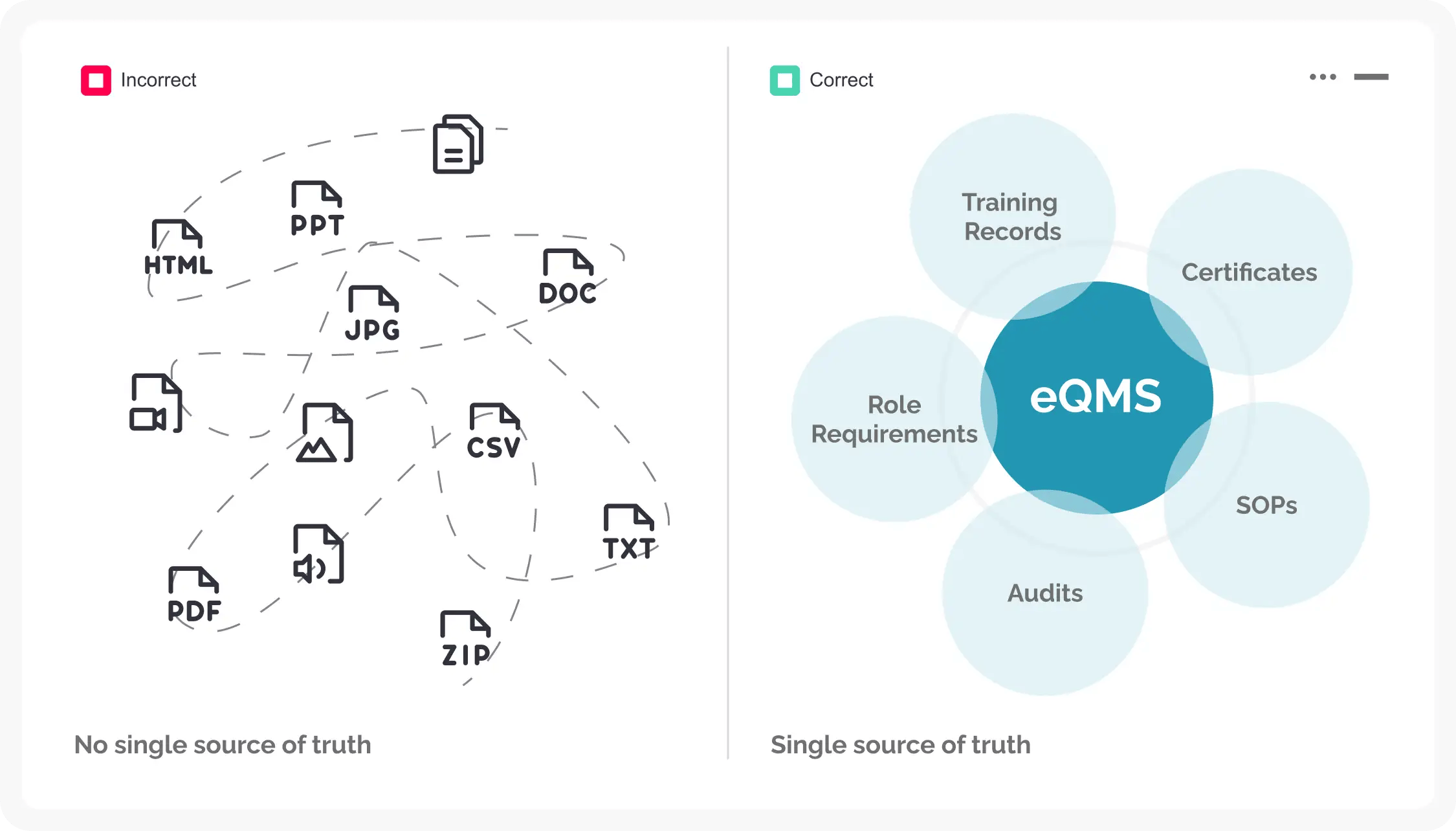
Fragmented training vs integrated LMS

Fragmented training vs integrated LMS

GxP Compliance: what you need to know

An overview of GxP regulation in the life science industry, helping you understand what is needed to implement, validate, and evidence compliance.

DOWNLOAD NOW
A-guide-to-GxP-Compliance

What your integrated training management system should deliver

An integrated training management system isn't just an investment; it's a strategic asset. It's the critical component that embeds regulatory alignment into every training event, provides a clear record of competency, and supports success at every stage of business growth.

Here are some of the LEAN training management features you should be looking for:

1. Live SOP Integration

Compliance requires training on the latest approved procedures. If your training system is integrated with the quality system that defines the way you work, then already you are at an advantage when it comes to compliance.  When documents update, training modules can automatically refresh, instantly eliminating the risk of training on obsolete procedures. 

2. Intelligent automation

Training should be an ongoing, evolving process. Your system needs automatic updates and intelligent recertification prompts. Document or process changes? Retraining tasks should be instantly generated, assigned, and tracked. Auto-renewal based on expiry dates ensures continuous compliance and competency across your organisation..

3. Dynamic, multi-media training

True understanding requires more than simply consuming materials. Demand dynamic, multi-media content that goes beyond basic quizzes. Think free-text answers, formal assessments, and rich supporting materials like videos. Capture layered proof of learning, demonstrating genuine comprehension, not just passive acknowledgement.
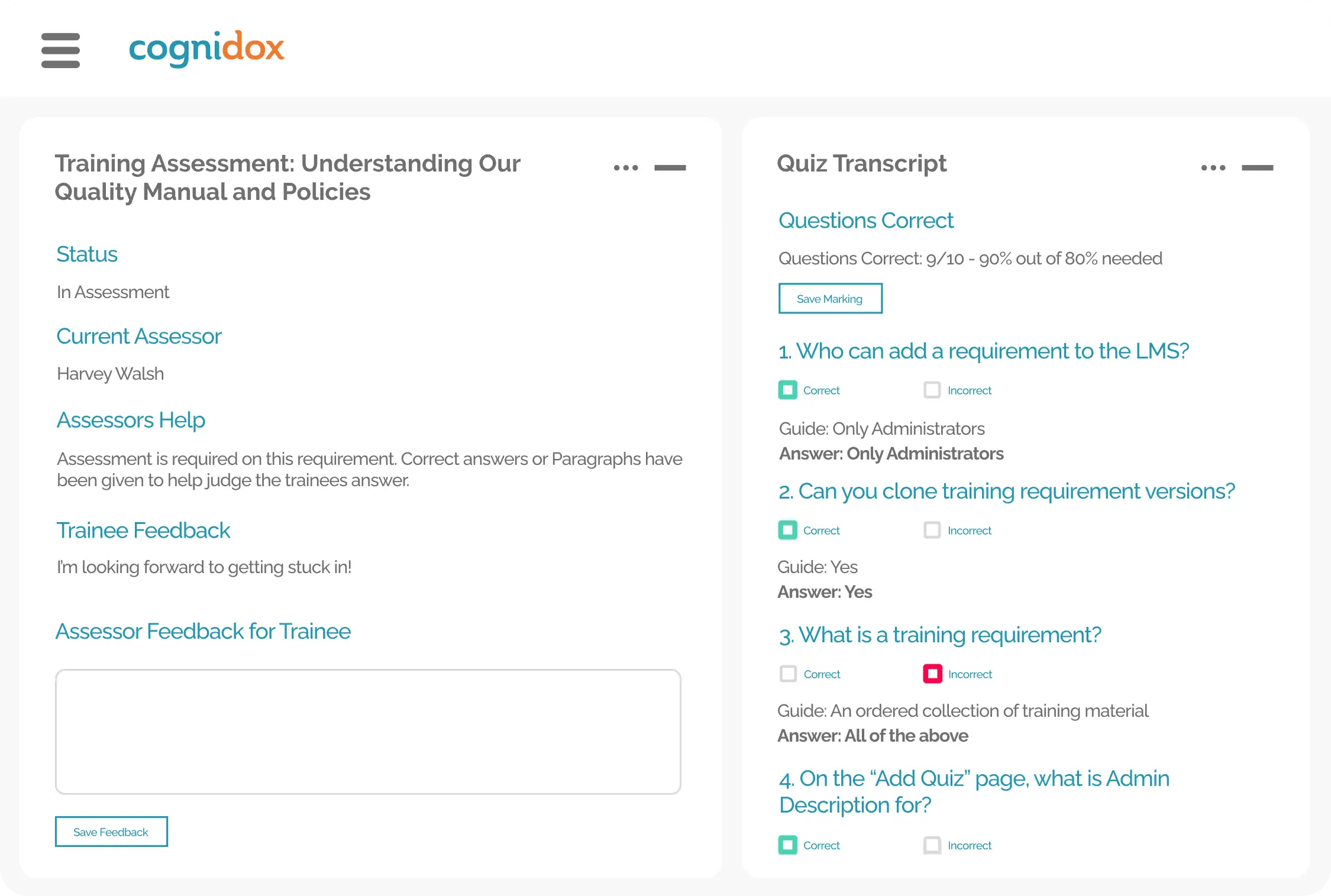
Cognidox LMS - training assessment

4. Secure assessments

Assessment integrity is crucial. To prevent answer sharing and guarantee authentic understanding, your system must be secure, featuring randomised questions within quizzes. Protect your assessment validity and reinforce your competency claims.

5. Pausable learning

Med tech moves fast. Your training system must be pausable, enabling your busy teams to engage at their convenience without derailing critical work. An intuitive, user-friendly design boosts adoption, effortlessly integrating training into demanding schedules and eliminating hidden compliance risks.

6. Role-based precision

Efficiency thrives on relevance. Embrace role-based learning paths that automatically assign training tailored to each team member's specific job role, department, or project. This ensures effortless onboarding for new hires, eliminates training gaps during role transitions, and guarantees consistent standards across the board. 

7. Competency validation

Your system needs robust competency assessments that confirm a person has truly grasped the material before they are given responsibility or access. This includes supporting formal tests by third-party assessors, allowing individuals to self-certify their understanding, or enabling managers to assess their team members, often with secure two-factor authentication. The goal is to build a reliable record of real-world capability associated with each individual, showing that training translates into practical skills.

8. Proactive reminders

Beyond event-driven retraining, your system should issue annual reminders and role-specific recertification prompts based on regulatory requirements and standards. This ensures critical knowledge and skills are regularly refreshed and validated

9. At-a-glance matrices: clear gap identification

For effective oversight and audit readiness, visual clarity is paramount. Matrices that show training gaps 'at a glance' are indispensable. These real-time training and skills matrices empower your quality and compliance teams to instantly pinpoint gaps by team or role, providing immediate, actionable insights.
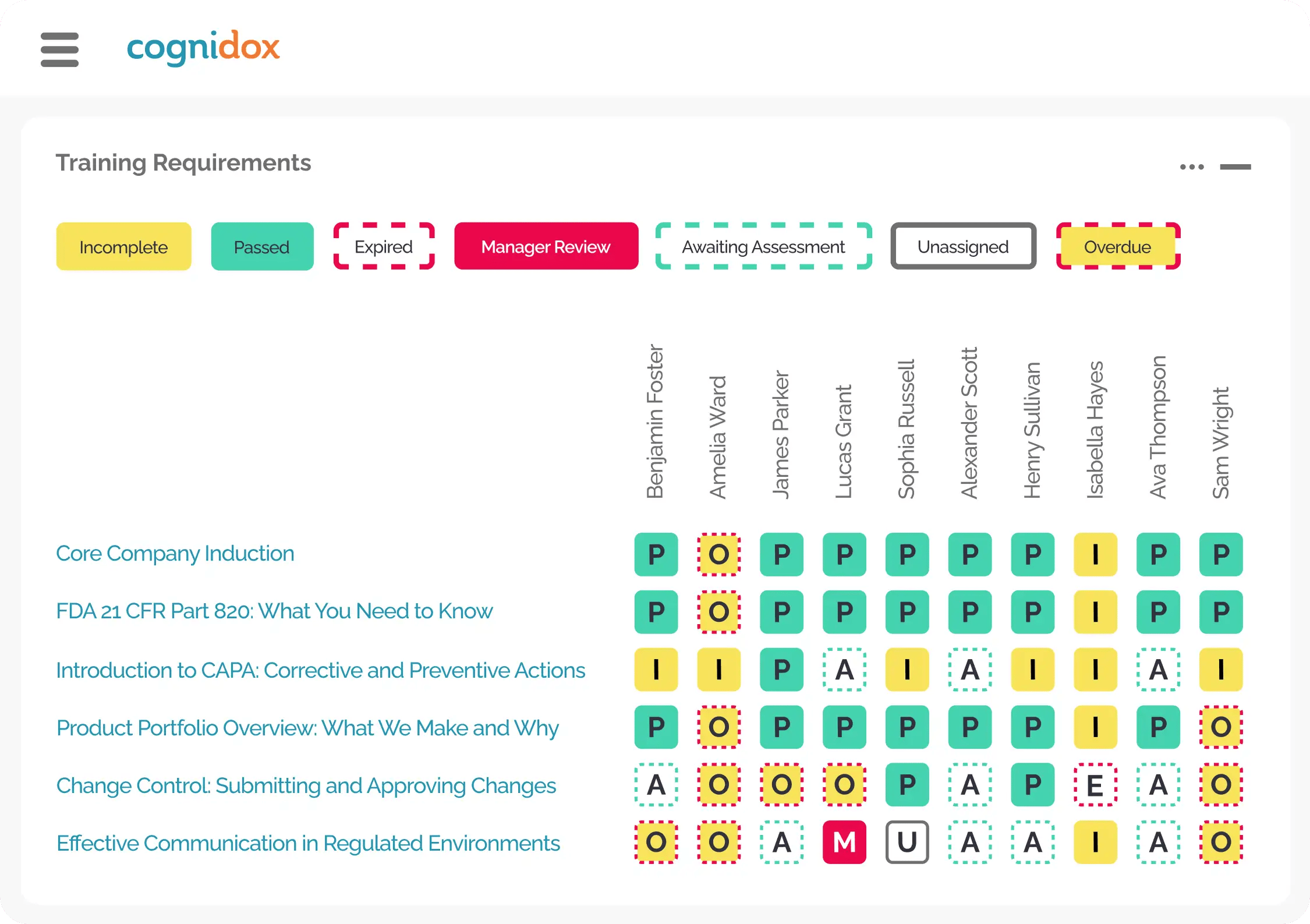
Cognidox LMS key features

10. Real-time reporting: audit-ready, always

When auditors arrive, you need answers now. Your system should deliver real-time dashboards and audit-ready reporting. This means searchable training records with digital signatures, comprehensive audit trails, time-stamping, and an indelible version history, all aligned with FDA 21 CFR Part 11 and EU Annex 11. 
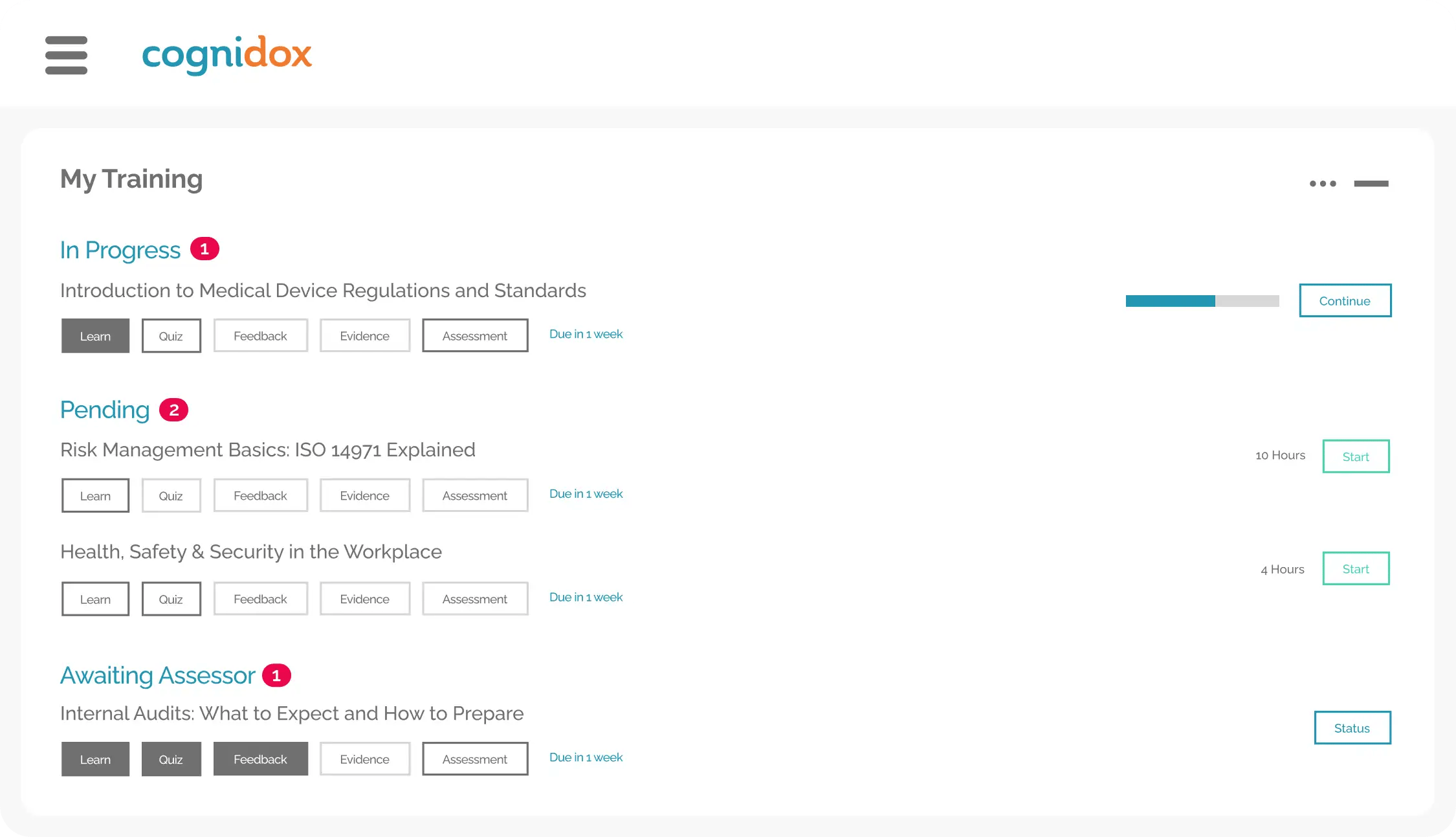
Cognidox dashboard

Choosing training management software for your med tech company

Training isn’t just another box to tick. It is a critical thread that should run through your compliance strategy, onboarding process, and company culture. 

But selecting the wrong approach to learning management can cost more than just time and budget. It can put your entire compliance process at risk, ending in failed audits and delayed product launches.

So, how do you choose a learning management system that’s fit for the regulated med tech space?

Start with one principle: It needs to be built for you, not retrofitted around you.

What to avoid:

  • Generic corporate LMS tools – Built for HR, not regulation. No audit trail, no document linkage.
  • Bolt-ons from legacy QMS providers – Often rigid, over-complicated and burdensome to manage.
  • Standalone LMS platforms – No connection to your QMS means training risks slipping out of sync.
  • Tools without validation support – If it can’t prove compliance with Part 11/Annex 11, it won’t survive an audit.
 

Choose a LEAN approach to training management

In med tech, LEAN compliance means designing systems that deliver maximum regulatory value with minimal waste of time, effort and attention.

When applied to training, LEAN learning management means:

  • Only the right people get the right training for their role
  • Just enough training is delivered to achieve compliance - no bloated sessions or irrelevant content
  • Training burden is automated, not administered manually
  • Feedback loops are built in, enabling teams to improve course content over time
  • Storing external qualification documentation and generating your own certification, where possible
  • Data is centralised, so reporting is instant and intuitive

Cognidox delivers this by design: built-in, audit-ready, and designed for med tech from the ground up.

No duplication. No gaps. No wasted effort. Just effective, embedded training control.

Latest Blog Posts

The UK clinical trials regulation overhaul: what it means for CTUs

On 30 October 2025, the UK Government signed new clinical trials legislation into law, marking a significant ...

Understanding the importance of document lifecycle management

What are the seven stages of the document lifecycle, and why is lifecycle essential to an effective Quality ...

GMP Compliance: The 5 pillars of pharmaceutical sector quality

In pharmaceutical and life science manufacturing, quality relies on the co-ordinated control of five critical ...

Demystifying medical device audits: Requirements, process, and impact

Medical device audits can be a source of stress for developers and manufacturers. But what exactly are the ...