


 The med tech sector is booming, but many companies are silently leaking time, money and talent through an overlooked vulnerability: inadequate onboarding.
In life sciences, poor onboarding isn’t just an HR issue – it can quickly become a business-critical risk. Without a structured process of initial orientation and training, you risk disengaged employees, spiralling costs, audit findings, and mistakes proliferating in safety-critical environments.
Why onboarding is hard to get right in med tech
Every company has its own way of working, but in the life science sector, those unique workflows can be inextricably tied to safety, security and the quality of your end product.
Onboarding is more than orientation. Essential knowledge about SOPs (often crucial for risk management and quality assurance) can be lost if it’s not properly documented and communicated to others.

SMEs struggle with consistent onboarding
Yet many life science start-ups and SMEs still rely on manual, fragmented quality and training systems to control and maintain this knowledge transfer:
- Onboarding is not systematic or consistent
- The SOPs used in training are not regularly updated
- Different pieces of software are deployed for training
- Training and competence records are tracked in different places
- Onboarding and training are often performed informally
The result can be incomplete training programmes, poorly kept records, uneven knowledge transfer and a compliance time bomb waiting to explode.
The challenges of onboarding
Research points to some of the key challenges around onboarding and knowledge transfer in the life-science sector - and suggests some of the steps companies need to take to overcome them.
Successful onboarding takes time.
Research from Panopto shows that for many employers, getting up to speed with complex jobs can take the best part of a year.
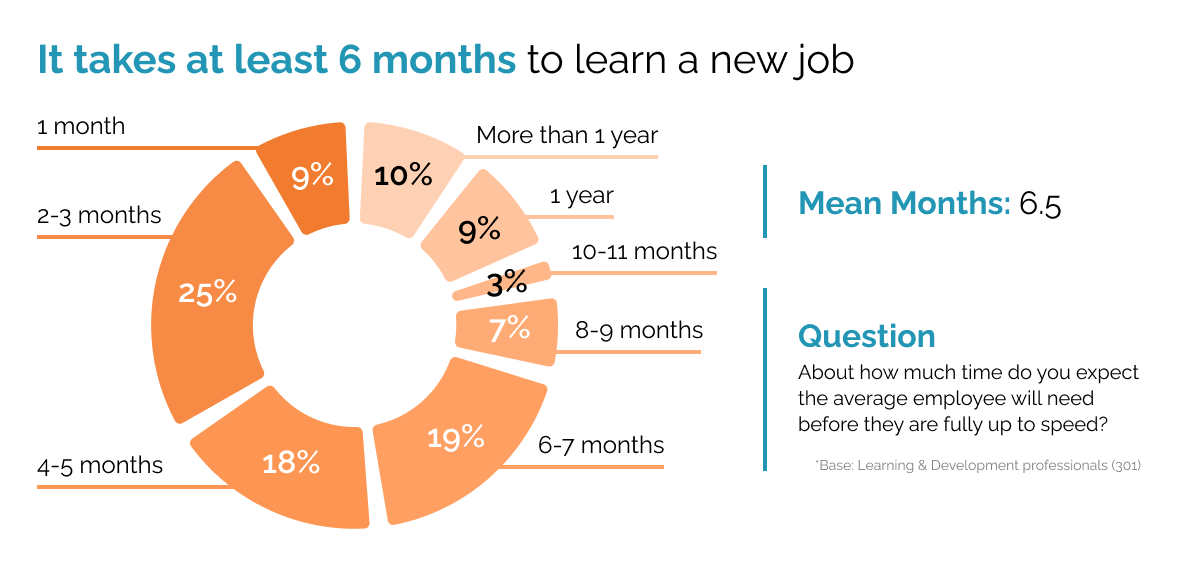 In this context, everything you can do to minimise the time taken for knowledge transfer and assessment of progress will be money well spent
Vital training information is siloed and can end up undocumented
Organisational knowledge is often unique. It can be lost when people leave or SOPs are not properly documented.
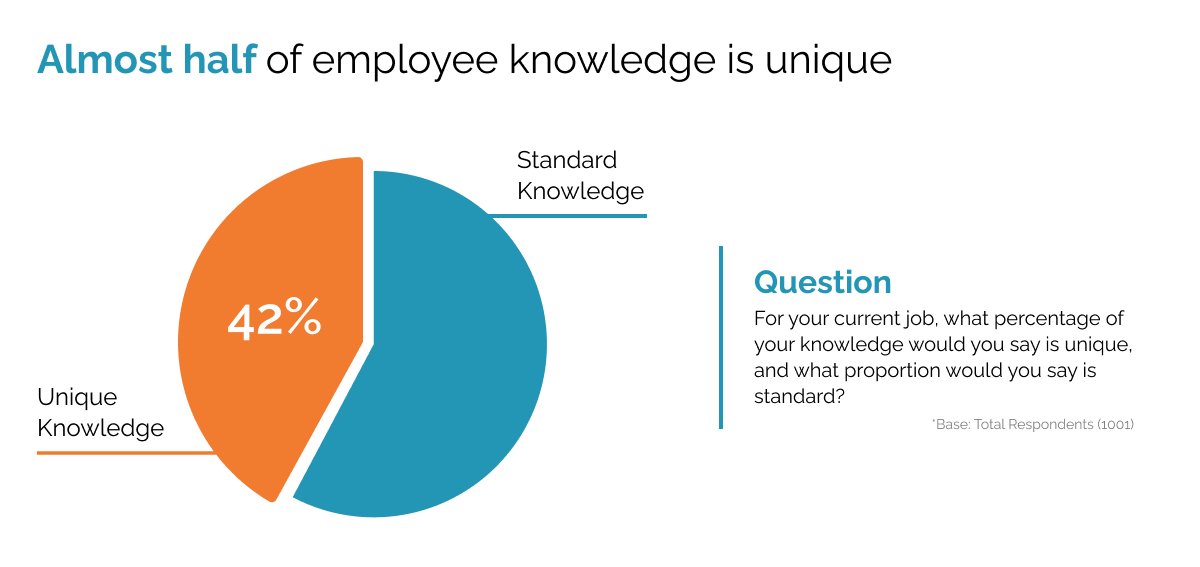
Source: Panopto
Make sure the people currently involved in carrying out tasks are instrumental in their documentation so future training is accurate (you can read our blog about documenting and sharing SOPs here).
Passive learning can be ineffective.
Life science work is complex. Training must be clear, engaging and easy to retain.
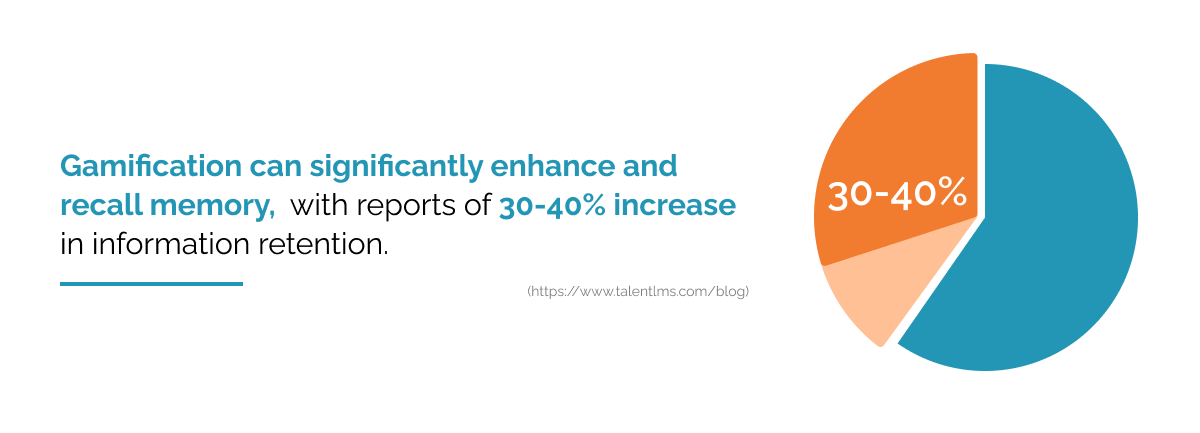
Source: Talent LMS
When training is passive, employees can switch off, and their recall is impacted. Using systems that gamify and test understanding instead of simply stating content has been consumed can vastly improve retention.
Ensure that your training system is flexible enough to support different kinds of training materials - not just formal documents but photos, videos, and interactive quizzes/assessments - to explain and test understanding of complex tasks.
Personalised onboarding improves knowledge retention.
Perhaps the most significant finding is the urgency for personalisation to improve the quality of onboarding:
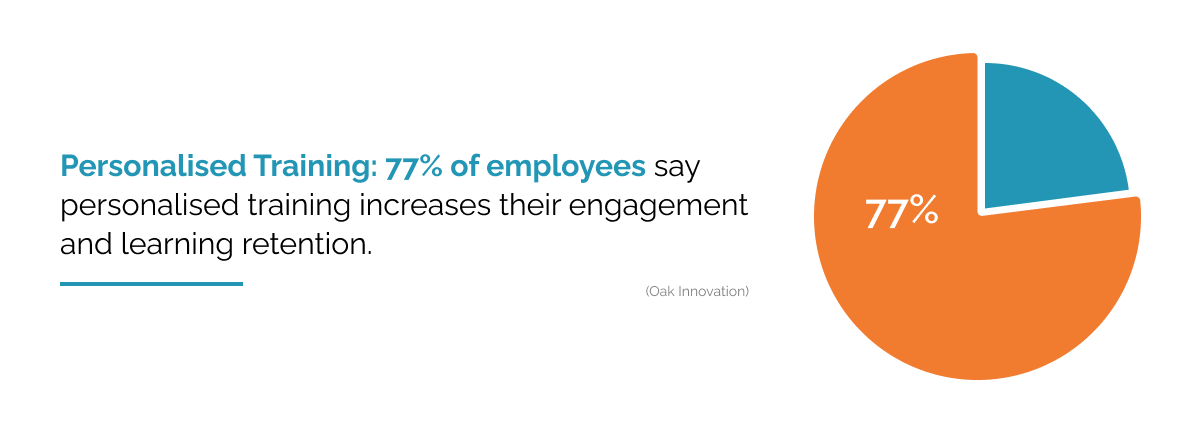
Source: Oak Innovation
One-size-fits-all training material can make users disengage. Using software to create role-based onboarding packages can future-proof your training process.
Do it wrong - and people quit.
The bottom line is that bad onboarding sets the tone for your whole employee experience. Workers will be more engaged and more likely to stay with you, if they have a good induction process.
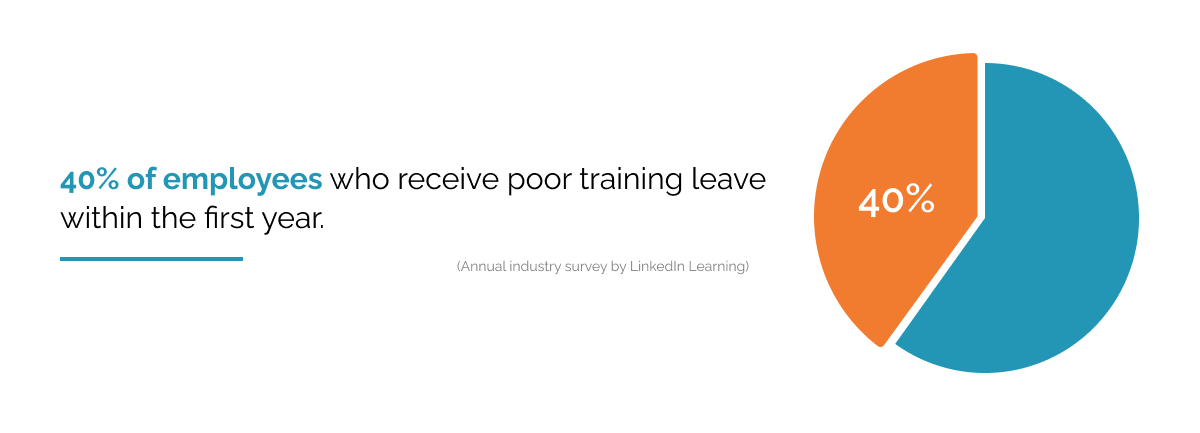
Source: LinkedIn Leaning
If you can master your onboarding and training process, you’ll reduce churn.
But effective onboarding and ongoing training are not just about recruitment success. In life sciences, it can also be about ensuring compliance.
For life science companies, training records are compliance evidence
Regulators such as the FDA and MHRA, as well as ISO auditors, will not just ask if you have trained your staff in the regulated tasks they will perform. They will want to see:
- Proof of who was trained
- What materials were used
- How did you check the effectiveness of the training
- Whether your approach matches the level of risk involved
If your onboarding and training process is based on out-of-date information or you cannot prove your people have been trained on key tasks (with FDA/MHRA compliant eSignatures) - then you are potentially exposed.
The cost of onboarding
If it’s going to be truly effective, onboarding must be customised and comprehensive, but this can make it expensive.
Research says the cost of properly onboarding a new employee in the life-science industry can be over £7,000 per person (source Veremark). Others suggest for ‘best in breed’ companies the total bill can come in at 15-20% of their final salary (source: Distant Job).
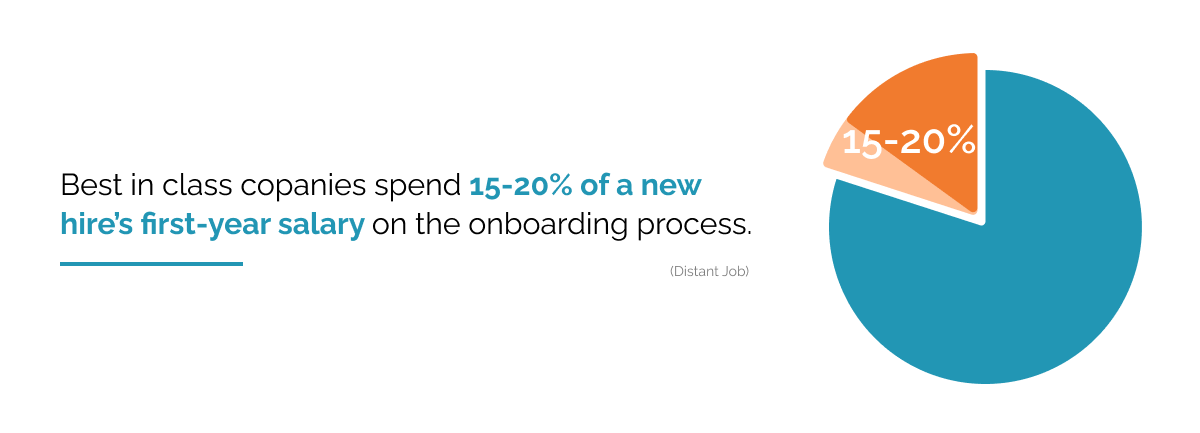
Source: LinkedIn Learning
Buying dedicated LMS software to manage onboarding and training in systematic ways can be a cost too far for start ups and SMEs.
But research shows training costs are often higher in early stage companies because of admin chaos, the burden of future mistakes and the time required for re-training when mistakes are spotted.
The challenge for growing life-science companies, such as medical device developers, is finding the right tools to streamline their training process. They need to link their training records definitively with their compliance obligations - while keeping rolling costs under control.
Conclusion: Build better onboarding from day one
For med tech start-ups, poor onboarding does more than slow you down. It can create compliance risks at a stage when mistakes are most costly.
The earlier you can start managing initial training digitally, making it a central part of your working practice, the easier it will be to scale with confidence.
But if you’re intimidated by the cost of the undertaking - and the potential complexity involved in buying a dedicated LMS, there are alternatives.
Training with an eQMS
Choosing an eQMS with an integrated training management system is one way to embed these processes into everything you do without overwhelming your team with different software.
“Integrating training management within your eQMS gives you traceability by design. It eliminates duplication, automates evidence collection, and ensures you’re always audit-ready - without the cost or overhead of a standalone LMS.”
— Joe Byrne, CEO, Cognidox
But not all training modules within eQMS platforms are created equal. Look for solutions that go beyond passive attestation and offer:
- Role-based training paths linked to live SOPs
- Quizzes and assessments to validate understanding
- Support for videos, documents, and interactive content
- Automated retraining when procedures change
- Audit-ready records with digital signatures and time stamps
Onboarding and training should not be an afterthought. It should be an active, integrated part of your quality system from day one.


%20(1).webp?width=133&height=76&name=ISO%20IEC%2027001%20(1)%20(1).webp)